Description
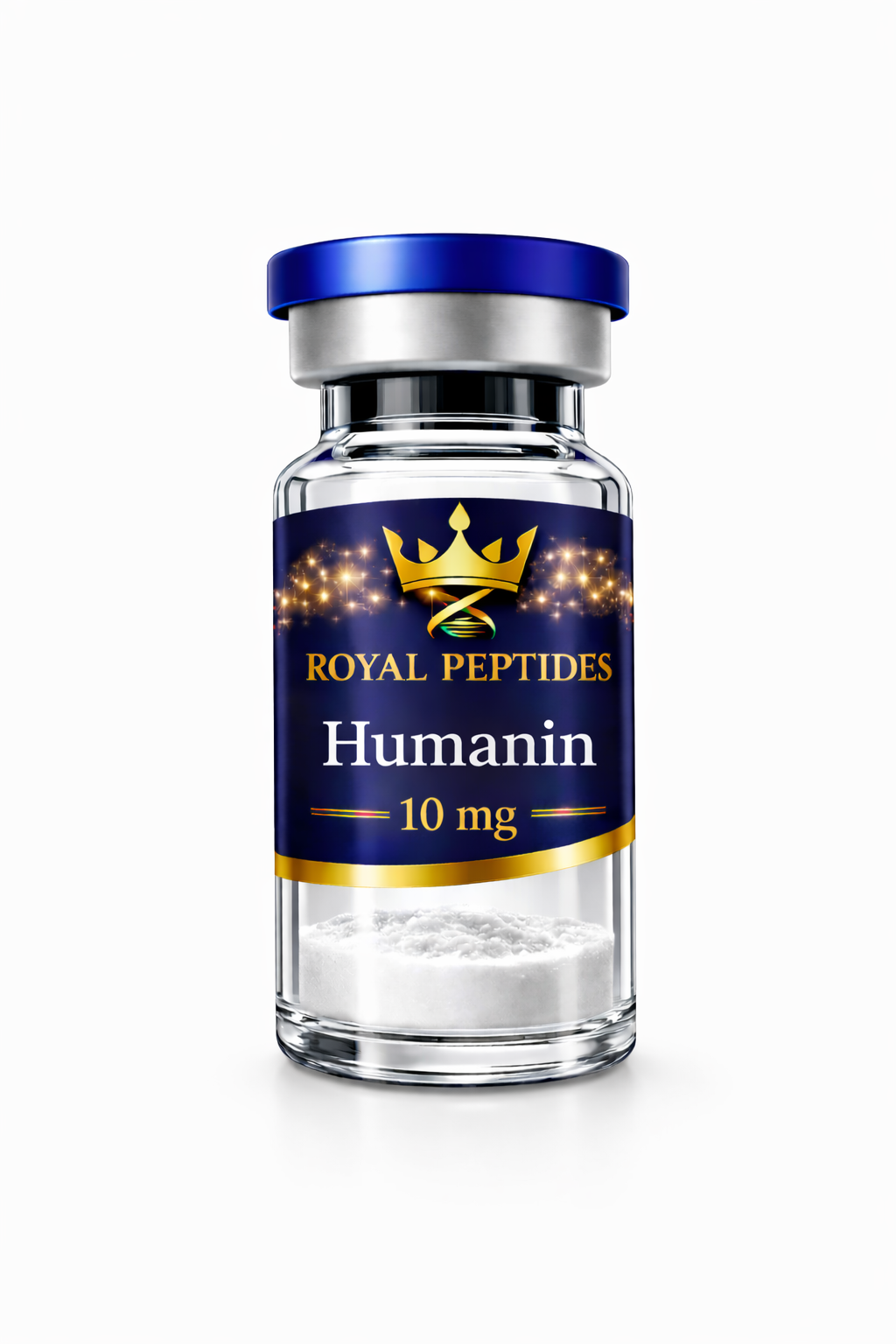
Humanin – research mitochondrial peptide
(Research Use Only)
Humanin is a short mitochondria-derived peptide (MDP) that naturally occurs in the body and is the subject of intensive research in the fields of cellular protection, metabolism, and aging processes. It has been identified as a factor with a potential role in protecting cells from stress and degenerative processes.
In scientific and preclinical studies, Humanin is used as a tool for analyzing mitochondrial signaling, neuroprotective mechanisms, and the regulation of metabolic pathways.
Mechanistic profile
Mitochondria-derived peptide (MDP)
Humanin belongs to peptides encoded by mitochondrial DNA that participate in communication between mitochondria and the cell nucleus.
🧬 Cellular protection (cytoprotection)
In laboratory models, its ability to protect cells from apoptosis and oxidative stress is being studied.
🧠 Neuroprotective mechanisms
Preclinical studies examine its effects on neuron protection and signaling pathways associated with neurodegeneration.
⚙ Metabolic regulation
Humanin is used to study insulin signaling, glucose metabolism, and energy balance.
🔬 Aging and longevity pathways
Research indicates its role in processes associated with aging, including the regulation of mitochondrial function and cell viability.
Research advantages
Humanin is primarily used in the following areas:
study of mitochondrial signaling
analysis of cellular protection and apoptosis
research of neurodegenerative processes
study of glucose metabolism and insulin signaling
research of aging mechanisms (longevity)
Scientific references
The biological properties of Humanin have been the subject of numerous scientific studies:
Hashimoto Y et al., Proceedings of the National Academy of Sciences (PNAS) – first identification of Humanin as a peptide with protective effects against cell death
Muzumdar RH et al., Nature Medicine – Humanin improves insulin sensitivity and metabolic parameters in experimental models
Yen K et al., Aging Cell – mitochondrial peptides, including Humanin, play a role in the regulation of aging and longevity pathways
Lee C et al., Journal of Biological Chemistry – mechanisms of cytoprotection and Humanin signaling
Cobb LJ et al., Endocrinology – effects of Humanin on metabolism and hormonal regulation
Use in research
Humanin is used in laboratory conditions mainly for:
research of mitochondrial function and signaling
analysis of neuroprotective mechanisms
study of metabolism and insulin resistance
modeling of aging processes
experimental cellular and preclinical studies
Safety and regulatory information
Humanin is classified as a research peptide.
❌ Not approved as a medicine
❌ Not intended for diagnostic use
❌ Not intended for human or veterinary use
✅ Intended exclusively for laboratory and scientific research
By purchasing the product, the customer confirms that they understand its research nature and agree to use it solely in accordance with this purpose.
All products available in our offer are intended strictly for research, laboratory, and development purposes only. They are not intended for use as a medicinal product, medical device, cosmetic product, food, dietary supplement, or as an active substance intended for consumption or application in humans or animals.
These products are not approved for clinical use and must not be used for the diagnosis, treatment, or prevention of any disease.
By purchasing the product, the customer acknowledges and confirms understanding of its research nature and agrees to use it exclusively in accordance with this intended purpose.
The purchase of our products is permitted only to individuals over 18 years of age.
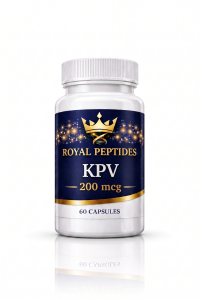
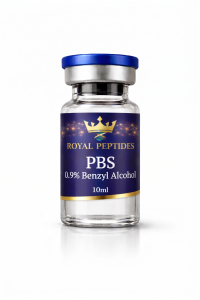
Product images are for illustrative purposes only. The actual appearance of the packaging may vary depending on the current batch.