Description
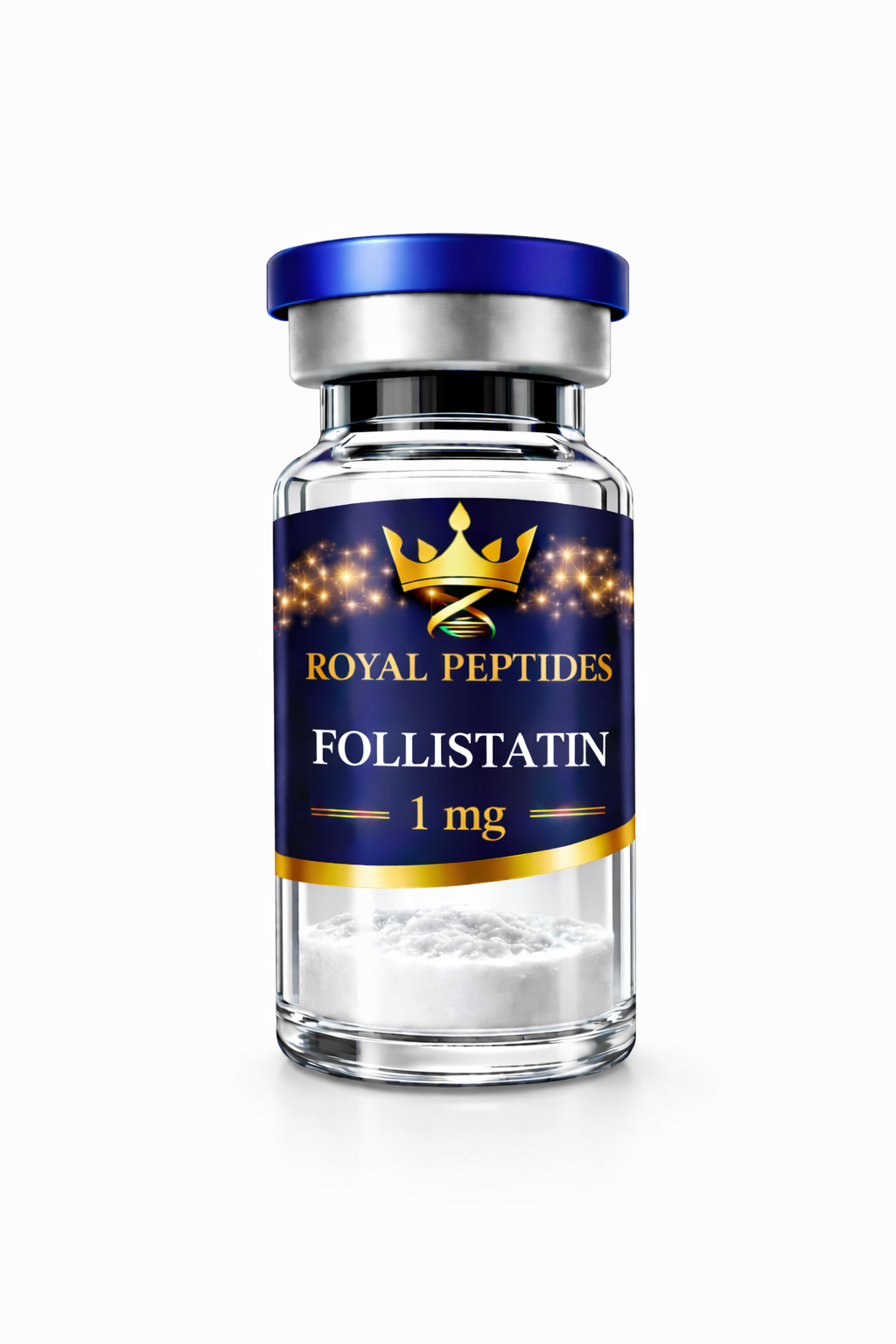
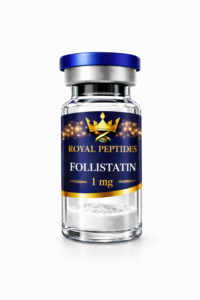
Follistatin – research protein (regulator of TGF-β pathways)
(Research Use Only)
Follistatin is a naturally occurring glycoprotein that binds to and inhibits members of the TGF-β family, particularly myostatin and activin. These factors play an important role in the regulation of muscle tissue growth, cellular proliferation, and differentiation.
In scientific and preclinical studies, Follistatin is used as a tool to analyze the mechanisms of growth factor regulation, muscle regeneration, and tissue development.
Mechanistic profile
Myostatin and activin inhibitor
Follistatin binds to myostatin and activin, blocking their biological activity and enabling the study of their regulatory functions.
Regulation of muscle growth
In laboratory models, its effect on muscle tissue growth is monitored through the inhibition of myostatin, which normally limits muscle growth.
Muscle regeneration
Preclinical studies examine its role in the repair of damaged muscle fibers and tissue regeneration.
⚙ Cellular proliferation and differentiation
Research focuses on its ability to regulate cell growth and their differentiation in various tissues.
TGF-β signaling pathways
Follistatin enables detailed investigation of TGF-β family signaling pathways, which are essential for organism development and homeostasis.
Benefits for research
Follistatin is primarily used in areas such as:
study of muscle growth and regeneration
analysis of myostatin signaling
research of TGF-β pathways
study of cellular proliferation and differentiation
modeling of tissue development
Scientific background
The biological properties of Follistatin have been the subject of multiple scientific studies:
Lee SJ, McPherron AC., Proceedings of the National Academy of Sciences (PNAS) – identification of myostatin as a negative regulator of muscle growth
Amthor H et al., Nature – inhibition of myostatin leads to increased muscle mass in experimental models
Phillips DJ, de Kretser DM., Endocrine Reviews – role of activin and follistatin in the regulation of reproductive and growth processes
Hansen JS et al., Journal of Applied Physiology – studies indicating the role of follistatin in muscle adaptation and metabolism
Experimental models suggest that modulation of TGF-β pathways affects tissue growth and regeneration
Use in research
Follistatin is used in laboratory settings mainly for:
research of muscle growth
analysis of myostatin and activin signaling
study of tissue regeneration
modeling of cellular proliferation
experimental cell and preclinical studies
Safety and regulatory information
Follistatin is classified as a research protein.
❌ Not approved as a medicinal product
❌ Not intended for diagnostic use
❌ Not intended for human or veterinary use
✅ Intended exclusively for laboratory and scientific research
By purchasing the product, the customer confirms that they understand its research nature and agree to use it strictly in accordance with this purpose.
All products available in our offer are intended strictly for research, laboratory, and development purposes only. They are not intended for use as a medicinal product, medical device, cosmetic product, food, dietary supplement, or as an active substance intended for consumption or application in humans or animals.
These products are not approved for clinical use and must not be used for the diagnosis, treatment, or prevention of any disease.
By purchasing the product, the customer acknowledges and confirms understanding of its research nature and agrees to use it exclusively in accordance with this intended purpose.
The purchase of our products is permitted only to individuals over 18 years of age.
Product images are for illustrative purposes only. The actual appearance of the packaging may vary depending on the current batch.