Description
What is Thymosin Beta-4?
TB-500 is a synthetic analog of the naturally occurring peptide Thymosin Beta-4 (Tβ4), which is involved in cellular and tissue regeneration processes. It has been studied in relation to scar formation and fibrosis through the modulation of myofibroblast activity in wound environments. Research has explored its potential relevance in models of skin, ocular, cardiac, and neurological injury.
Advances in understanding its biological functions have supported ongoing and exploratory clinical research in areas such as dermal wound repair, corneal injury, and tissue regeneration following ischemic events or trauma affecting the heart and central nervous system (CNS).
TB-500 primarily functions as an actin-binding protein. Actin is a key structural component of cells forming microfilaments, which are essential for cell shape, membrane integrity, cellular movement, and certain stages of cell proliferation. Actin is also a principal component of muscle proteins required for muscle contraction. Numerous experimental studies have investigated the biological activity of this peptide.
[1]
Research-Supported Findings
1. TB-500 and Neurological Research
Thymosin β4 (Tβ4) has been investigated in spinal cord injury (SCI) models due to its observed neuroprotective, anti-inflammatory, and vasculoprotective properties in experimental settings. In rat SCI models, Tβ4 treatment was associated with improved locomotor recovery, increased survival of neurons and oligodendrocytes, and reduced inflammation compared to saline-treated controls. It was also linked to decreased expression of pro-inflammatory cytokines and increased levels of anti-inflammatory IL-10.
Beyond SCI, Tβ4 has been studied in relation to neurological injuries and neurodegenerative conditions. Experimental findings suggest involvement in central (CNS) and peripheral nervous system (PNS) plasticity, neurovascular remodeling, angiogenesis, neurogenesis, and oligodendrogenesis. Oligodendrogenesis has been proposed as one of the mechanisms underlying its regenerative effects. Ongoing research into microRNA (miRNA) signaling and exosomal communication networks may further clarify the molecular pathways associated with Tβ4-mediated neuroprotection and regeneration.
Tβ4 has also been shown in experimental models to mitigate oxidative stress-induced damage in neural stem/progenitor cells (NSPCs) via the TLR4/MyD88 signaling pathway. Observed effects include improved cell viability, reduced apoptosis, and decreased oxidative and inflammatory markers.
[2]–[4]
2. Thymosin Beta-4 and Blood Vessel Growth
Tβ4 has been studied for its role in vascular development, repair, and remodeling. It participates in processes such as vasculogenesis, angiogenesis, arteriogenesis, endothelial-mesenchymal transition, and extracellular matrix remodeling. Experimental data indicate that it may enhance capillary formation and pericyte recruitment.
TB-500 has also been associated with stimulation of VEGF expression in research models, suggesting involvement in multiple stages of vascular growth and remodeling.
[5]
3. Thymosin Beta-4 and Hair Growth Research
Tβ4 has been investigated as a regulator of hair growth in animal models. Studies in rodents, including transgenic mice overexpressing Tβ4, have demonstrated enhanced hair regrowth compared to controls. Findings suggest that Tβ4 influences hair follicle stem cells by supporting proliferation, migration, differentiation, and protease production.
[6]
4. Thymosin Beta-4 and Antibiotic Synergy
Research exploring bacterial keratitis models has examined Tβ4 as an adjunct to antibiotic therapy. Experimental findings indicate that combination treatment (e.g., with ciprofloxacin) was associated with improved wound healing, reduced inflammation, and enhanced host defense responses compared to antibiotic treatment alone. These results suggest potential relevance in strategies addressing antimicrobial resistance.
[7]
5. TB-500 and Cardiovascular Research
The Tβ4–Ac-SDKP pathway has been studied in the context of cardiovascular and renal research. Ac-SDKP, a peptide derived from Tβ4, has been associated in experimental models with endothelial cell migration, myocyte survival after myocardial infarction, antifibrotic effects, anti-inflammatory properties, and angiogenesis.
Hydrogels incorporating Tβ4 have demonstrated potential in supporting cardiac tissue repair in preclinical models by promoting angiogenesis and reducing scar formation.
[8], [9]
6. TB-500 and Neurodegenerative Research
Tβ4 has been shown in cell models to induce autophagic markers such as LC3A/B and Beclin-1 and to mitigate prion peptide-induced neurotoxicity. Modulation of autophagy and cholinergic signaling pathways has been observed in vitro, suggesting possible relevance in research on neurodegenerative conditions, including prion diseases and Alzheimer’s disease.
[10]
7. Broad Research Applications of Thymosin Beta-4
Elevated serum levels of Tβ4 have been observed in patients with rheumatoid arthritis (RA) and appear to correlate with disease activity in clinical observations. This has led to investigation of Tβ4 as a potential biomarker of disease activity and therapeutic response, although further research is required.
Tβ4 has also demonstrated activity in experimental models related to angiogenesis, wound healing, and hair follicle development in both young and aged rodents.
Despite promising findings in research settings, TB-500 is currently restricted to educational and scientific research purposes and is not approved for human consumption.
All products available in our offer are intended strictly for research, laboratory, and development purposes only. They are not intended for use as a medicinal product, medical device, cosmetic product, food, dietary supplement, or as an active substance intended for consumption or application in humans or animals.
These products are not approved for clinical use and must not be used for the diagnosis, treatment, or prevention of any disease.
By purchasing the product, the customer acknowledges and confirms understanding of its research nature and agrees to use it exclusively in accordance with this intended purpose.
The purchase of our products is permitted only to individuals over 18 years of age.
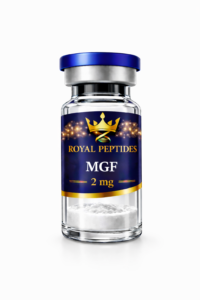
Product images are for illustrative purposes only. The actual appearance of the packaging may vary depending on the current batch.