Description
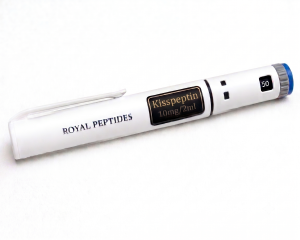
Thymosin Alpha 1 – Dosing Pen 10mg/2ml (Highly Potent Immune Modulator)
Thymosin Alpha 1 (T$alpha$1) is a highly purified synthetic peptide composed of 28 amino acids that precisely replicates the body’s naturally occurring hormone isolated from thymus tissue—the key organ responsible for immune regulation. In biomedical research, this molecule represents one of the most important pillars in the field of immunomodulation. Its unique characteristic is that it acts neither as a broad immunosuppressant nor as an uncontrolled immune stimulant, but as an intelligent regulator (adaptogen) that restores the immune response of cells to optimal homeostasis according to the organism’s current physiological burden.
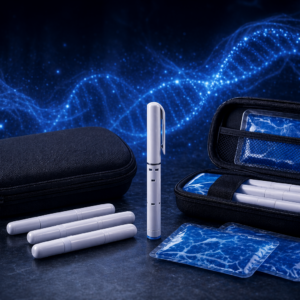
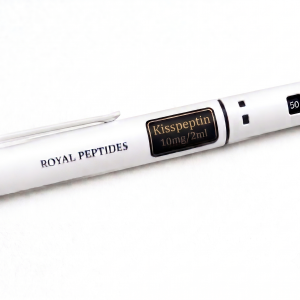
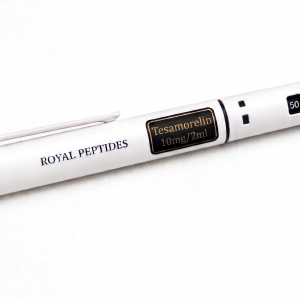
The dosing pen contains 10 mg of stabilized active substance in 2 ml of solution, providing a concentration of exactly 5 mg/ml. For precise dosing within research protocols:
1 ml = 100 units (IU) = 100 clicks
0.5 ml (one full rotation of the mechanism) = 50 clicks
Examples of research dosing:
1 click = 0.05 mg (50 mcg) of active substance
2 clicks = 0.10 mg (100 mcg) of active substance
10 clicks (0.1 ml) = 0.50 mg (500 mcg) of active substance
20 clicks (0.2 ml) = 1.00 mg (1000 mcg) of active substance
30 clicks (0.3 ml) = 1.50 mg (1500 mcg) of active substance
50 clicks (0.5 ml / one full rotation) = 2.50 mg (2500 mcg) of active substance
This mechanical system ensures absolute precision, repeatability, and flexibility when setting microdoses according to the requirements of a specific laboratory protocol without the risk of contamination or the need for complex manual dilution.
Effects Studied in Research
The primary focus of Thymosin Alpha 1 research is its ability to directly influence the maturation and differentiation of stem cells into functional T-lymphocytes (specifically CD4+ helper T cells and CD8+ cytotoxic T cells), which constitute the first line of defense against infected and mutated cells.
In both in vitro and in vivo studies, T$alpha$1 has demonstrated the ability to significantly increase the activity of NK (natural killer) cells and stimulate macrophages toward more efficient phagocytosis (engulfment of pathogens). An important mechanism under investigation is the upregulation of Major Histocompatibility Complex (MHC Class I) expression, making virus-infected cells more visible to the immune system. Research data suggest substantial potential for this compound in studies of chronic viral diseases (hepatitis B and C, Epstein–Barr virus, herpesvirus infections), in the management of autoimmune disorders, and as a supportive agent in studies of recovery in oncology models following immune exhaustion. Its potential to suppress cytokine storm and reduce systemic inflammation is also being investigated.
Scientific Background and References
Thanks to its high biological activity, Thymosin Alpha 1 is one of the most extensively studied immune molecules in the world. Thousands of published scientific papers and meta-analyses are freely available in the internationally recognized PubMed database, where its safety profile, absence of significant toxic effects, and mechanisms of cellular signaling through toll-like receptors (TLRs) are extensively analyzed.
Accurate data from clinical trials investigating the synergy of T$alpha$1 with vaccines (where it acts as a potent adjuvant) and its influence on suppressing pathogen replication are continuously monitored and collected in the ClinicalTrials.gov database.
The Royal Peptides dosing pen provides a modern, safe, and highly sterile solution for handling this advanced molecule under controlled laboratory conditions.
This product is intended exclusively for scientific and research purposes. Not for direct human consumption.
All products available in our offer are intended strictly for research, laboratory, and development purposes only. They are not intended for use as a medicinal product, medical device, cosmetic product, food, dietary supplement, or as an active substance intended for consumption or application in humans or animals.
These products are not approved for clinical use and must not be used for the diagnosis, treatment, or prevention of any disease.
By purchasing the product, the customer acknowledges and confirms understanding of its research nature and agrees to use it exclusively in accordance with this intended purpose.
The purchase of our products is permitted only to individuals over 18 years of age.
Product images are for illustrative purposes only. The actual appearance of the packaging may vary depending on the current batch.