Description
What is Epithalon?
Epithalon is a synthetic tetrapeptide derived from naturally occurring epitalamin, which is produced by the pineal gland (epiphysis) in the brain. This peptide is the subject of scientific research primarily for its potential effects on the regulation of biological rhythms, aging processes, and cellular regeneration. Epithalon is known for its ability to influence the activity of telomerase – an enzyme involved in maintaining the length of telomeres, the protective structures located at the ends of chromosomes.
The shortening of telomeres is a natural process associated with cellular aging, which is why Epithalon is being intensively studied in the fields of longevity and cellular health. In addition, it may also influence the regulation of circadian rhythms and melatonin production.
Effects studied in research
- Epithalon and telomerase
Research suggests that Epithalon may activate telomerase, thereby contributing to telomere protection and potentially slowing cellular aging processes.
- Epithalon and sleep regulation
Its influence on the pineal gland may affect the production of melatonin, the hormone responsible for regulating the sleep cycle and circadian rhythms.
- Epithalon and cellular regeneration
Support for cellular renewal and protection against damage may contribute to overall tissue regeneration.
- Epithalon and hormonal balance
Some studies suggest its potential influence on the regulation of hormonal processes, especially in connection with the aging of the organism.
Epithalon is among the best-known peptides studied in the fields of longevity, regeneration, and regulation of biological rhythms. Its effects remain the subject of ongoing scientific research.
The product is intended exclusively for scientific purposes.
All products available in our offer are intended strictly for research, laboratory, and development purposes only. They are not intended for use as a medicinal product, medical device, cosmetic product, food, dietary supplement, or as an active substance intended for consumption or application in humans or animals.
These products are not approved for clinical use and must not be used for the diagnosis, treatment, or prevention of any disease.
By purchasing the product, the customer acknowledges and confirms understanding of its research nature and agrees to use it exclusively in accordance with this intended purpose.
The purchase of our products is permitted only to individuals over 18 years of age.
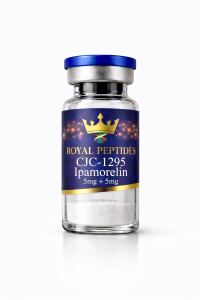
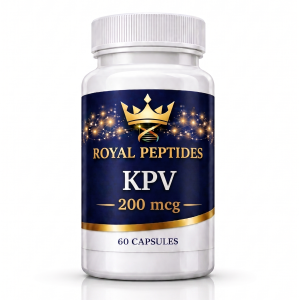
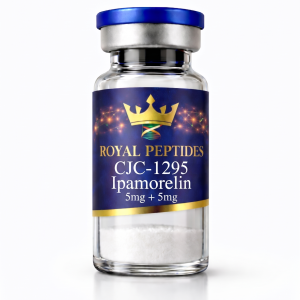
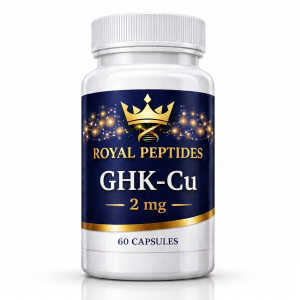
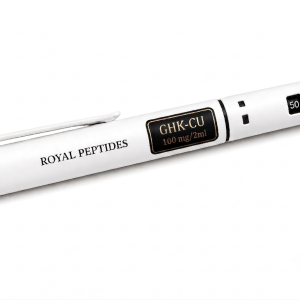
Product images are for illustrative purposes only. The actual appearance of the packaging may vary depending on the current batch.