Description
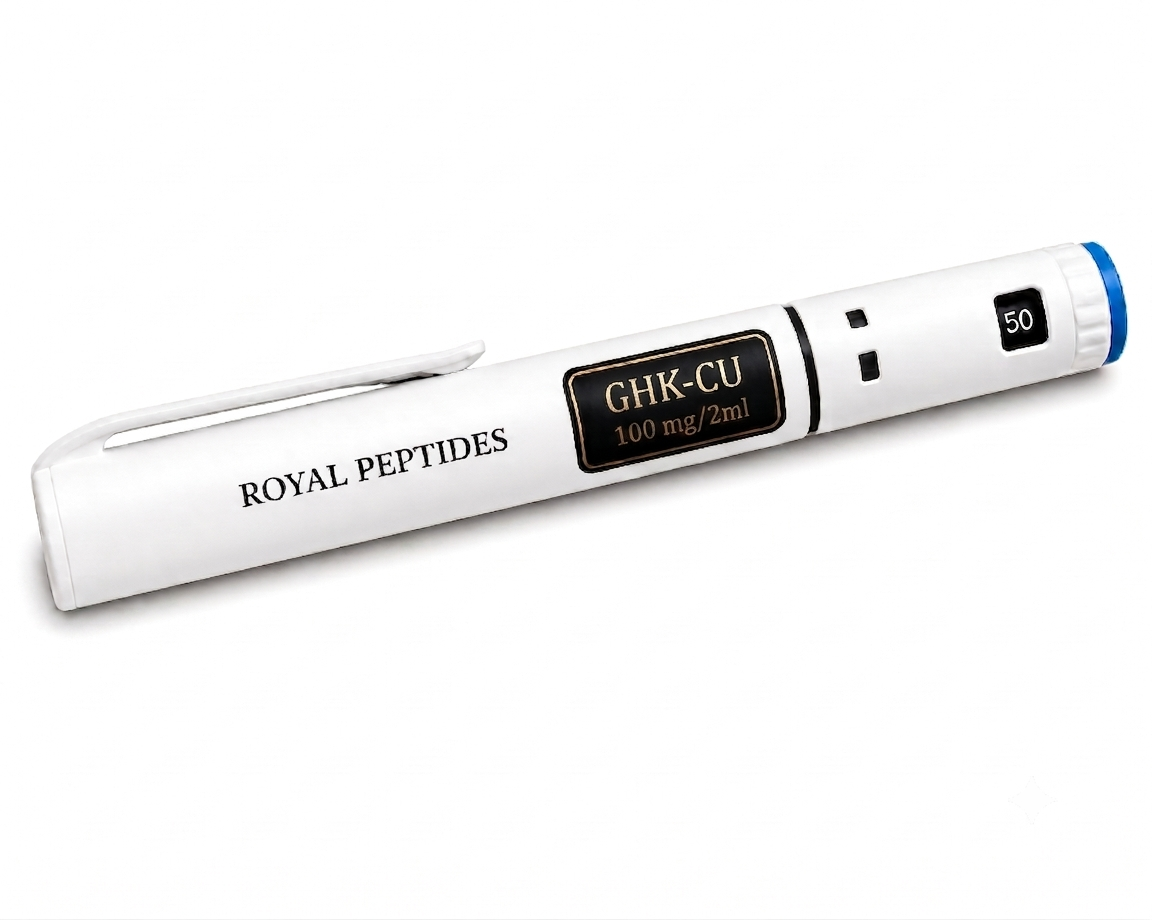
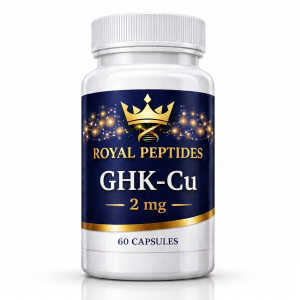
GHK-Cu – Dosing Pen 100mg/2ml (Advanced Tissue Remodeling & Epigenetic Peptide)
GHK-Cu is a highly stable copper tripeptide complex naturally found in human plasma; however, its levels decline dramatically with age (by up to 60% after the age of 60). In modern biomedical research and the field of longevity, this molecule represents one of the most significant subjects of study due to its ability to modulate human gene expression – it can reset fatigued cellular programs back toward a youthful and healthy profile. Research focuses on its ability to bind copper ions and transport them directly into cells, where they serve as an essential cofactor for enzymatic processes regulating tissue repair, protection against oxidative stress, and the elimination of chronic inflammation.
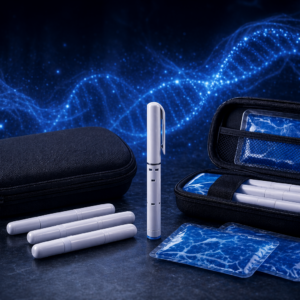
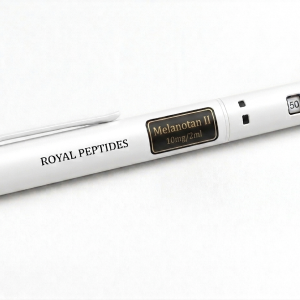
The dosing pen contains 100 mg of highly purified active substance in 2 ml of solution, corresponding to a concentration of exactly 50 mg/ml. Calculated for precise dosing within research protocols:
1 ml = 100 units (UI) = 100 clicks
0.5 ml (one full rotation of the mechanism) = 50 clicks
Examples of dosing for research purposes:
1 click = 0.50 mg of active substance
2 clicks = 1.00 mg of active substance
4 clicks = 2.00 mg of active substance
10 clicks (0.1 ml) = 5.00 mg of active substance
20 clicks (0.2 ml) = 10.00 mg of active substance
50 clicks (0.5 ml / full rotation) = 25.00 mg of active substance
This mechanical system ensures absolute precision, repeatability, and flexibility when setting microdoses according to the requirements of a specific laboratory protocol without the need for complex and inaccurate manual dilution.
Research-Investigated Effects
The cornerstone of GHK-Cu research is its ability to initiate comprehensive extracellular matrix remodeling. The peptide stimulates fibroblasts to increase the production not only of type I and III collagen but also elastin, proteoglycans, and glycosaminoglycans. This mechanism ensures deep restoration of tissue density and elasticity while accelerating the healing of damaged skin following burns, surgical procedures, or laser ablation.
In in vitro genetic studies, GHK-Cu has demonstrated the ability to positively modulate the expression of more than 4,000 human genes, shifting many of them toward a state characteristic of younger cells. Its potent anti-inflammatory effects (suppression of pro-inflammatory cytokines such as IL-1 and IL-6) and antioxidant protection (inhibition of lipid peroxidation and activation of superoxide dismutase) are also being investigated. Significant research is also being conducted in the field of trichology, where its ability to enlarge hair follicles and stimulate the anagen phase of hair growth is being evaluated, as well as in neuroprotection, where scientists are analyzing its potential to support cognitive function and protect nerve cells.
Scientific Context and Sources
Thanks to the discovery of biologist Dr. Loren Pickart and her decades of work, GHK-Cu has become one of the most respected molecules in regenerative biology. Thousands of published studies detailing its interactions, cellular signaling, and pharmacokinetics are available in the internationally recognized PubMed database.
Comprehensive data on the effects of copper peptides on dermal lesion healing, stem cell stimulation, and the reversal of photoaging are continuously expanded and monitored through academic study proposals listed on ClinicalTrials.gov, where this compound serves as a fundamental pillar for the development of future advanced therapies in anti-aging medicine and dermatology.
The Royal Peptides dosing pen provides a modern, safe, and highly sterile solution for handling this advanced molecule under controlled laboratory conditions.
This product is intended exclusively for scientific and research purposes. Not for direct human consumption.
All products available in our offer are intended strictly for research, laboratory, and development purposes only. They are not intended for use as a medicinal product, medical device, cosmetic product, food, dietary supplement, or as an active substance intended for consumption or application in humans or animals.
These products are not approved for clinical use and must not be used for the diagnosis, treatment, or prevention of any disease.
By purchasing the product, the customer acknowledges and confirms understanding of its research nature and agrees to use it exclusively in accordance with this intended purpose.
The purchase of our products is permitted only to individuals over 18 years of age.
Product images are for illustrative purposes only. The actual appearance of the packaging may vary depending on the current batch.