Description
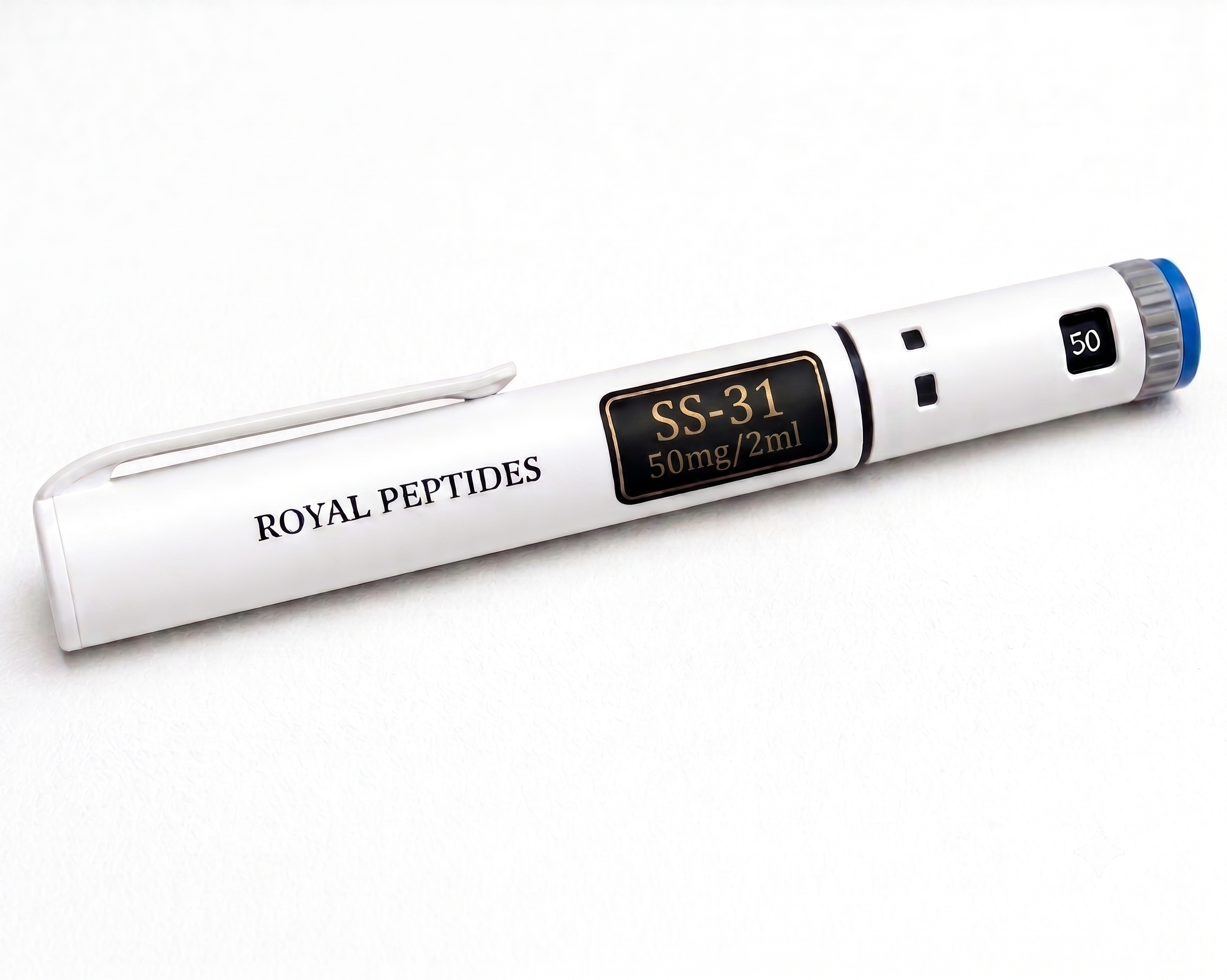
SS-31 – Dosing Pen 50mg/2ml (Mitochondria-Targeting Antioxidant Peptide / Elamipretide)
SS-31 (chemically D-Arg-Dmt-Lys-Phe-NH2, also known as Elamipretide or Bendavia) represents an entirely new class of small experimental peptides that directly target mitochondria. Unlike conventional antioxidants, which are unable to effectively penetrate cellular barriers, SS-31, thanks to its unique charge, acts directly on the inner mitochondrial membrane. In modern biomedical research and the field of longevity, this molecule is regarded as groundbreaking because it specifically addresses mitochondrial dysfunction—one of the primary drivers of cellular aging, degenerative diseases, and cellular energy depletion.
The dosing pen contains 50 mg of highly purified and stabilized active substance in 2 ml of solution, corresponding to a concentration of exactly 25 mg/ml. Calculated for precise dosing within research protocols:
1 ml = 100 units (UI) = 100 clicks
0.5 ml (one full rotation of the mechanism) = 50 clicks
Examples of dosing for research purposes:
1 click = 0.25 mg of active substance
2 clicks = 0.50 mg of active substance
4 clicks = 1.00 mg of active substance
10 clicks (0.1 ml) = 2.50 mg of active substance
20 clicks (0.2 ml) = 5.00 mg of active substance
40 clicks (0.4 ml) = 10.00 mg of active substance
This mechanical system ensures absolute precision, repeatability, and flexibility when setting microdoses according to the requirements of a specific laboratory protocol, eliminating the need for complex and error-prone manual dilution.
Effects Investigated by Research
The primary and most significant mechanism of action of SS-31 currently being extensively investigated is its selective binding to cardiolipin—a unique phospholipid found exclusively in the inner mitochondrial membrane. Cardiolipin anchors the protein complexes of the electron transport chain responsible for cellular energy production. Under oxidative stress, cardiolipin becomes damaged, leading to disruption of the membrane structure and leakage of reactive oxygen species (ROS). SS-31 has been shown to stabilize cardiolipin, thereby directly restoring the architecture of the inner mitochondrial membrane (cristae).
This process results in immediate optimization of ATP (cellular energy) production and a dramatic reduction in the generation of harmful reactive oxygen species directly at their source. In in vivo studies, SS-31 has demonstrated exceptional potential in protecting against ischemia-reperfusion injury (for example, during myocardial infarction or acute kidney injury), where it rapidly prevents cellular death (apoptosis). Highly promising research is also underway in the fields of neurodegenerative diseases (such as Alzheimer’s disease, Parkinson’s disease, and age-related cognitive decline), muscle atrophy, and chronic fatigue, where restoration of mitochondrial health has shown significant improvements in the motor and cognitive functions of study subjects.
Scientific Context and References
The SS-31 molecule has been extensively evaluated in advanced clinical and preclinical studies focusing on metabolic, cardiovascular, and mitochondrial disorders. Hundreds of peer-reviewed scientific publications detailing its interaction with the cell’s bioenergetic pathways are freely available in the internationally respected PubMed database.
Detailed information regarding the pharmacokinetics of elamipretide, its effects on skeletal muscle function, reduction of intracellular inflammation, and protection of vascular endothelium is continuously collected within the academic registries at ClinicalTrials.gov, where this compound serves as a key model for the development of future advanced therapies based on mitochondrial medicine.
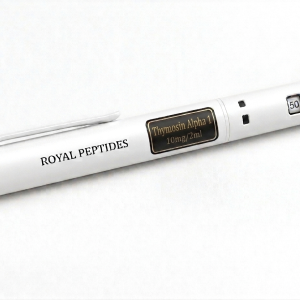
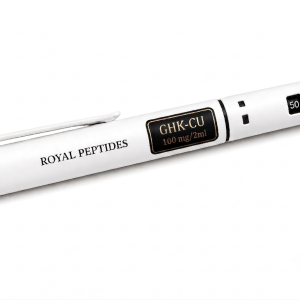
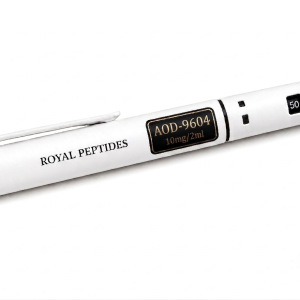
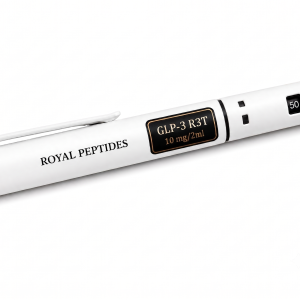
The Royal Peptides dosing pen provides a modern, safe, and highly sterile solution for handling this advanced molecule under controlled laboratory conditions.
The product is intended exclusively for scientific and research purposes. Not for direct human consumption.
All products available in our offer are intended strictly for research, laboratory, and development purposes only. They are not intended for use as a medicinal product, medical device, cosmetic product, food, dietary supplement, or as an active substance intended for consumption or application in humans or animals.
These products are not approved for clinical use and must not be used for the diagnosis, treatment, or prevention of any disease.
By purchasing the product, the customer acknowledges and confirms understanding of its research nature and agrees to use it exclusively in accordance with this intended purpose.
The purchase of our products is permitted only to individuals over 18 years of age.
Product images are for illustrative purposes only. The actual appearance of the packaging may vary depending on the current batch.