Description
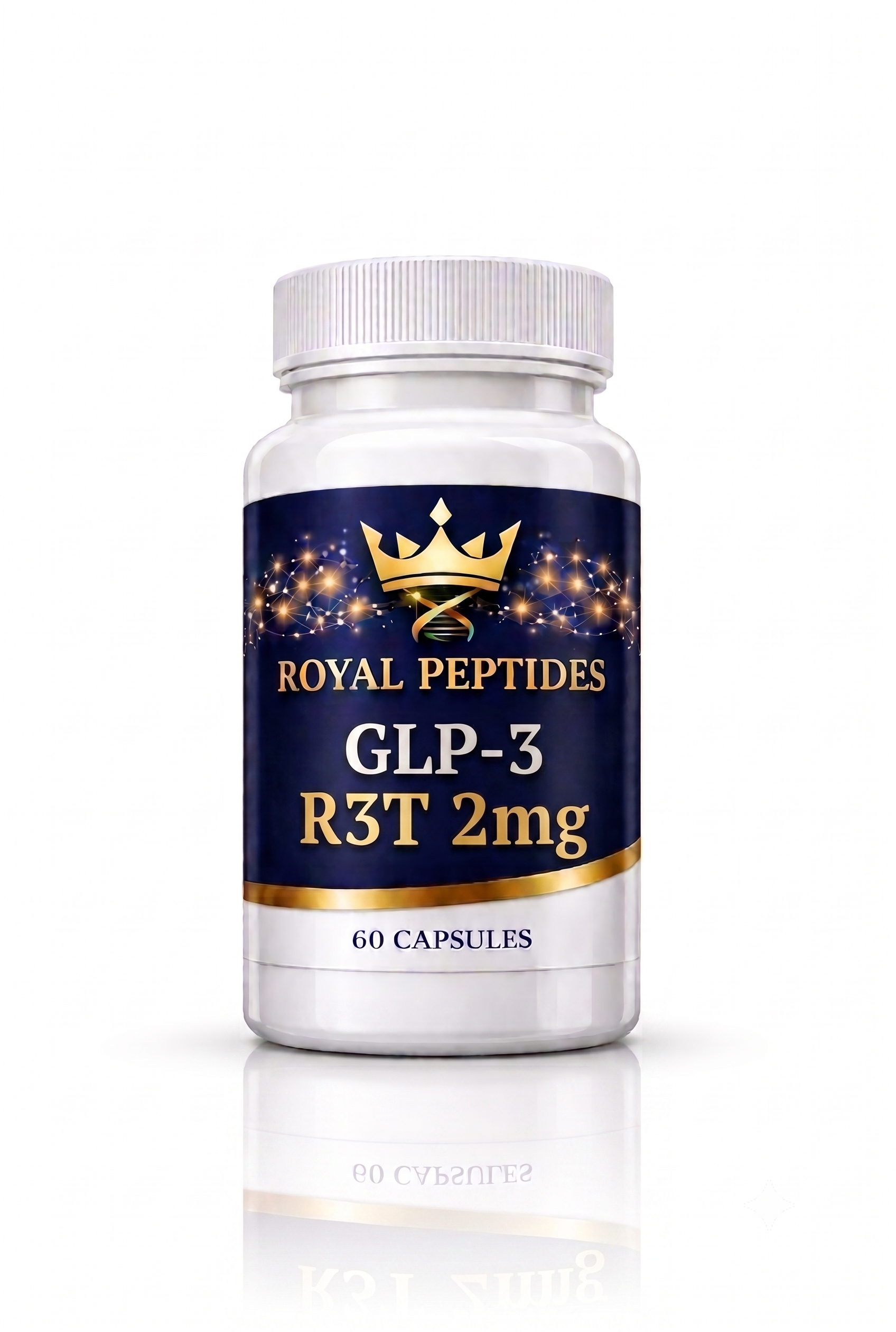
GLP-3 R3T – 60 capsules / 2mg (Next-Generation Metabolic Optimization & Incretin Mimetic)
The experimental complex GLP-3 R3T represents the absolute pinnacle of modern biochemical design aimed at addressing metabolic dysfunctions, insulin resistance, and cellular aging processes. While earlier generations of metabolic peptides required exclusively injectable administration due to low bioavailability, the GLP-3 R3T molecule has been designed with specific structural modifications. These allow it to withstand the harsh acidic environment of the stomach and effectively interact with cellular receptors in the intestinal tract.
The capsule form (2 mg per capsule, total of 120 mg active compound per package) provides researchers with a stable, highly pure, and precisely calibrated model for in vivo research protocols focused on comprehensive restructuring of energy metabolism.
Effects studied in research
The primary research direction of oral GLP-3 R3T administration is the simulation of a caloric restriction (fasting) state and the activation of key enzymatic pathways at the intracellular level:
Optimization of glucose metabolism: Research focuses on the compound’s ability to stimulate pancreatic cells into pulsatile, glucose-dependent insulin secretion. In in vivo models, reversal of insulin resistance and restoration of skeletal muscle cells’ ability to efficiently absorb glucose from circulation is observed.
Selective lipolysis and inhibition of lipogenesis: GLP-3 R3T activates adrenergic receptors in adipocytes (fat cells), triggering a cascade of stored fatty acid release and their subsequent oxidation (conversion into energy). At the same time, in vitro studies suggest suppression of new visceral (organ) fat accumulation.
Neurogenic satiety signaling: The substance shows strong affinity for receptors in the gastrointestinal tract, which transmit a direct satiety signal to the hypothalamus via the vagus nerve (nervus vagus). Research teams are analyzing this mechanism for its potential to suppress emotional hunger and stabilize energy homeostasis in subjects.
Anti-inflammatory effect and cellular longevity: Similar to a fasting state, GLP-3 R3T activates the AMPK pathway in cell cultures and suppresses chronic intracellular inflammation (so-called inflammaging). This process supports a youthful cellular phenotype, protects mitochondria from oxidative stress, and promotes autophagy (cellular cleanup of damaged proteins).
Scientific context and research references
Compounds based on incretin mimetics and next-generation receptor agonists are experiencing unprecedented growth in leading global laboratories. Research on the stability of these peptide sequences after oral modification is among the most frequently published topics in journals such as Diabetes, Obesity and Metabolism and Nature Medicine.
Peer-reviewed academic studies detailing the pharmacodynamics and cellular signaling of modified metabolic peptides are fully accessible in the international medical database PubMed (recommended search terms: “oral incretin mimetics stability”, “AMPK pathway metabolic peptides”, or “peptides glucose homeostasis”).
Exact information on clinical proposals, tissue distribution, and ongoing experimental models focused on the synergy of oral peptides with cellular transporters is continuously collected in international registries on ClinicalTrials.gov.
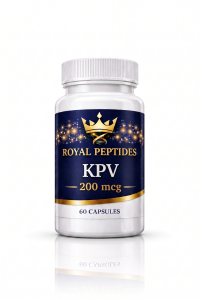
Royal Peptides packaging contains 60 precisely calibrated capsules (2 mg GLP-3 R3T), manufactured under strict laboratory conditions ensuring 100% purity and stability of the active compound for rigorous scientific research purposes.
All products available in our offer are intended strictly for research, laboratory, and development purposes only. They are not intended for use as a medicinal product, medical device, cosmetic product, food, dietary supplement, or as an active substance intended for consumption or application in humans or animals.
These products are not approved for clinical use and must not be used for the diagnosis, treatment, or prevention of any disease.
By purchasing the product, the customer acknowledges and confirms understanding of its research nature and agrees to use it exclusively in accordance with this intended purpose.
The purchase of our products is permitted only to individuals over 18 years of age.
Product images are for illustrative purposes only. The actual appearance of the packaging may vary depending on the current batch.