Description
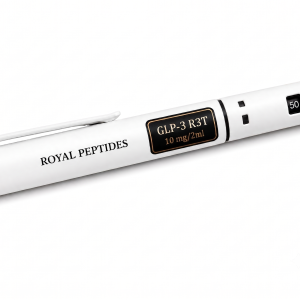
GLP-3 R3T – Lyophilized Powder in a Vial (Advanced Metabolic Multi-Receptor Agonist / Pure Research Grade)
The experimental GLP-3 R3T molecule represents a groundbreaking advancement in modern biochemical design focused on the comprehensive reset of metabolic processes, the correction of insulin resistance, and the suppression of cellular aging. Presented as a pure lyophilized (freeze-dried) powder under vacuum in a borosilicate glass vial, it is globally recognized as the gold standard for precise scientific research. The vacuum environment and complete elimination of moisture protect the delicate peptide bonds from hydrolysis and enzymatic degradation, ensuring maximum substance stability during storage.
This product provides research teams with complete control over experimental protocols. The pure powder allows flexible reconstitution (dissolution) in an appropriate buffer (e.g., PBS with verified pH) or bacteriostatic medium, enabling preparation at the exact concentration and molarity required by a specific in vivo or in vitro research protocol.
Research Areas and Investigated Effects
The primary focus of GLP-3 R3T research is its multi-receptor activity on cells involved in energy metabolism, mimicking biochemical pathways associated with caloric restriction (fasting):
Comprehensive Optimization of Glycemic Control: Research investigates the molecule’s ability to activate incretin signaling pathways, resulting in pulsatile, glucose-dependent cellular stimulation. Experimental models evaluate the restoration of insulin sensitivity in skeletal muscle cells and their ability to efficiently metabolize circulating glucose.
Enhanced Lipolysis and Regulation of Adipogenesis: GLP-3 R3T interacts with receptors located on adipocytes (fat cells), initiating signaling cascades that promote the mobilization of stored triacylglycerols. Simultaneously, in vitro studies investigate its potential to inhibit the accumulation of new visceral (internal) adipose tissue, which is considered one of the major contributors to systemic inflammation.
Neuroendocrine Homeostasis Signaling: The compound demonstrates a high affinity for receptors involved in the gut-brain axis, transmitting satiety signals directly to the hypothalamus. This mechanism is the subject of intensive research in the fields of emotional appetite suppression and energy intake regulation.
Mitophagy and Suppression of Cellular Aging (Inflammaging): At the intracellular level, GLP-3 R3T stimulates the key AMPK signaling pathway. This process promotes autophagy (the removal of damaged protein structures from cells) while supporting the generation of new, healthy mitochondria, thereby actively protecting organ systems against oxidative stress and age-related degeneration.
Scientific Context and References
Compounds based on advanced receptor agonists and next-generation peptide mimetics are experiencing rapid expansion in leading biomedical research laboratories worldwide. Research into structural peptide modifications that extend biological half-life and increase receptor affinity has become one of the most frequently published topics in journals such as Nature Medicine, Diabetes, and The Lancet Diabetes & Endocrinology.
Thousands of peer-reviewed scientific publications detailing the cellular signaling, stability, and pharmacodynamic properties of these innovative compounds are publicly available through the internationally recognized PubMed medical database (recommended search terms: “next-generation incretin receptor agonists”, “AMPK pathway metabolic stimulation”, or “peptides glucose homeostasis signaling”).
Comprehensive data regarding sequence purity, lyophilized product stability under various temperature conditions, and ongoing clinical experimental model proposals are continuously monitored and collected within the international ClinicalTrials.gov registry.
The Royal Peptides vial contains exclusively ultra-pure, laboratory-tested GLP-3 R3T active compound in lyophilized form, manufactured under strict aseptic synthesis conditions that ensure the absence of endotoxins and guarantee complete reproducibility of results within controlled scientific research.
All products available in our offer are intended strictly for research, laboratory, and development purposes only. They are not intended for use as a medicinal product, medical device, cosmetic product, food, dietary supplement, or as an active substance intended for consumption or application in humans or animals.
These products are not approved for clinical use and must not be used for the diagnosis, treatment, or prevention of any disease.
By purchasing the product, the customer acknowledges and confirms understanding of its research nature and agrees to use it exclusively in accordance with this intended purpose.
The purchase of our products is permitted only to individuals over 18 years of age.
Product images are for illustrative purposes only. The actual appearance of the packaging may vary depending on the current batch.