Description
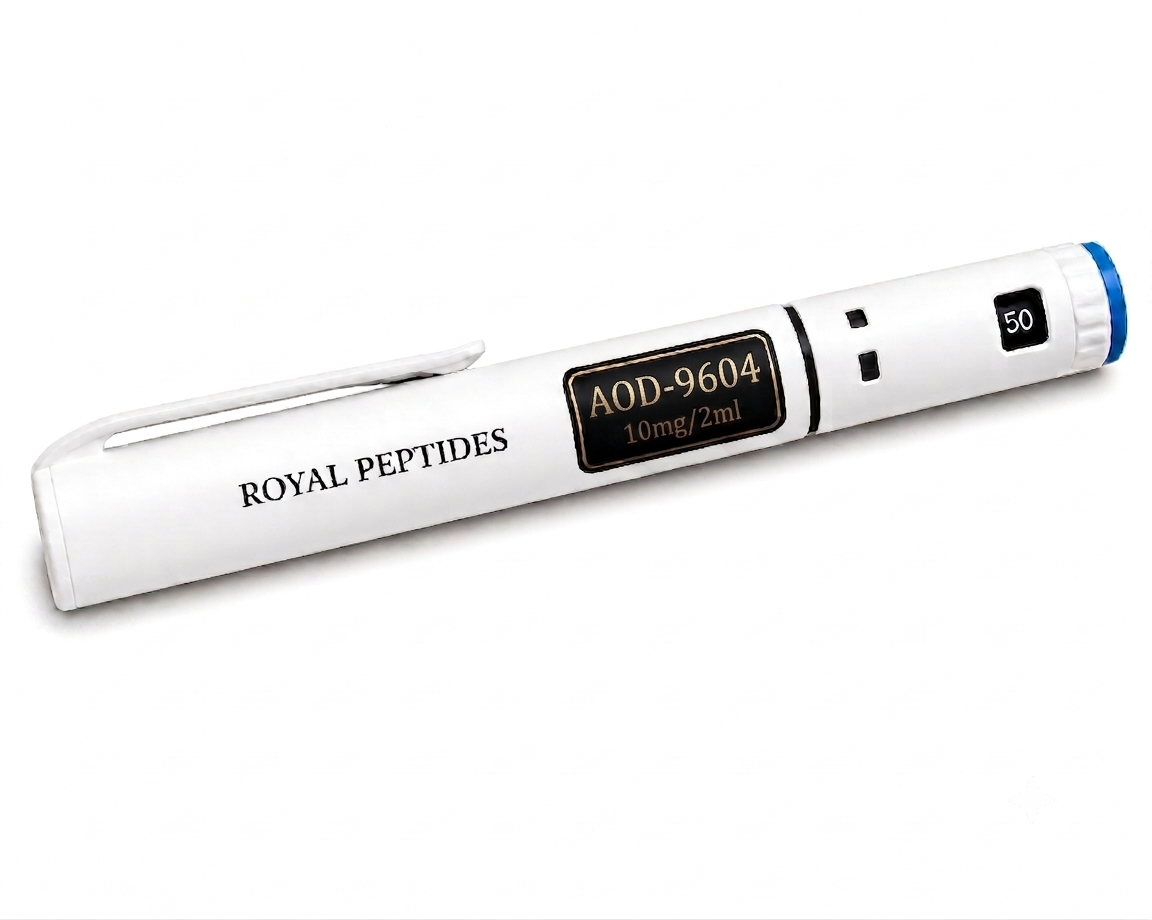
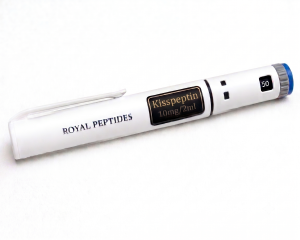
AOD-9604 – Dosing Pen 10mg/2ml (Lipolytic C-Terminal hGH Fragment)
AOD-9604 is a highly purified synthetic sequence of 16 amino acids that precisely replicates the lipolytically active region at the C-terminus of the human growth hormone molecule (specifically amino acids 177-191 with an added tyrosine to stabilize the structure). In modern biomedical research on metabolic disorders, this compound represents a breakthrough model. It is able to very specifically replicate the ability of growth hormone to reduce adipose tissue, but with one fundamental difference: it has no effect on cell proliferation (organ growth) and does not induce insulin resistance. Thanks to this, it is intensively studied in laboratories as a safe alternative for obesity treatment research and body composition optimization.
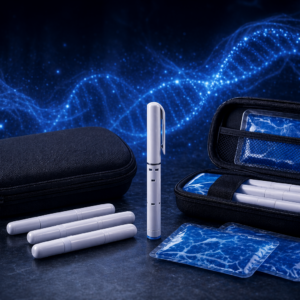
The dosing pen contains 10 mg of highly purified active substance in 2 ml of solution, representing a concentration of exactly 5 mg/ml. Converted into precise dosing for research protocols:
1 ml = 100 units (IU) = 100 clicks
0.5 ml (one full rotation of the mechanism) = 50 clicks
Examples of dosing for research purposes:
1 click = 0.05 mg (50 mcg) of active substance
2 clicks = 0.10 mg (100 mcg) of active substance
4 clicks = 0.20 mg (200 mcg) of active substance
10 clicks (0.1 ml) = 0.50 mg (500 mcg) of active substance
20 clicks (0.2 ml) = 1.00 mg (1000 mcg) of active substance
This mechanical system guarantees absolute precision, repeatability, and flexibility when setting microdoses according to the requirements of a specific laboratory protocol without the need for complex and inaccurate manual dilution of lyophilized powders.
Effects Investigated by Research
The primary focus of AOD-9604 research is its dual effect on fat cells (adipocytes). On one hand, it stimulates the process of lipolysis by activating beta-3 adrenergic receptors, leading to the release of fatty acids from fat stores and their conversion into usable energy. On the other hand, it demonstrates the ability to inhibit lipogenesis, thereby suppressing the storage of new triacylglycerols in fat cells in vitro, particularly in high-risk areas of visceral (internal) fat.
Research data from in vivo models confirm that administration of AOD-9604 does not increase serum IGF-1 (insulin-like growth factor-1) levels, eliminating the risks associated with uncontrolled cell division observed during long-term administration of full-length hGH. In addition to its primary focus on metabolism, highly promising research is currently underway in the field of orthopedics. Scientists have found that AOD-9604 exhibits strong regenerative properties when applied to damaged joints—it stimulates chondrocyte differentiation and supports the regeneration of articular cartilage, especially when investigated in synergy with compounds such as hyaluronic acid.
Scientific Context and Sources
Historically, the peptide AOD-9604 successfully completed clinical trials in Australia, where it demonstrated an exceptionally favorable safety profile and high tolerability. Dozens of scientific studies investigating its pharmacodynamics and its effect on adipose tissue reduction are freely available in the internationally recognized PubMed database.
Accurate data regarding the effects of this C-terminal fragment on lipid metabolism, stable glycemic control, and the repair of osteoarthritic defects are continuously collected through academic study proposals on ClinicalTrials.gov, where this molecule represents one of the safest models for research into metabolic health and tissue engineering.
The Royal Peptides dosing pen provides a modern, safe, and highly sterile solution for handling this advanced molecule under controlled laboratory conditions.
The product is intended exclusively for scientific and research purposes. Not for direct human consumption.
All products available in our offer are intended strictly for research, laboratory, and development purposes only. They are not intended for use as a medicinal product, medical device, cosmetic product, food, dietary supplement, or as an active substance intended for consumption or application in humans or animals.
These products are not approved for clinical use and must not be used for the diagnosis, treatment, or prevention of any disease.
By purchasing the product, the customer acknowledges and confirms understanding of its research nature and agrees to use it exclusively in accordance with this intended purpose.
The purchase of our products is permitted only to individuals over 18 years of age.
Product images are for illustrative purposes only. The actual appearance of the packaging may vary depending on the current batch.