Description
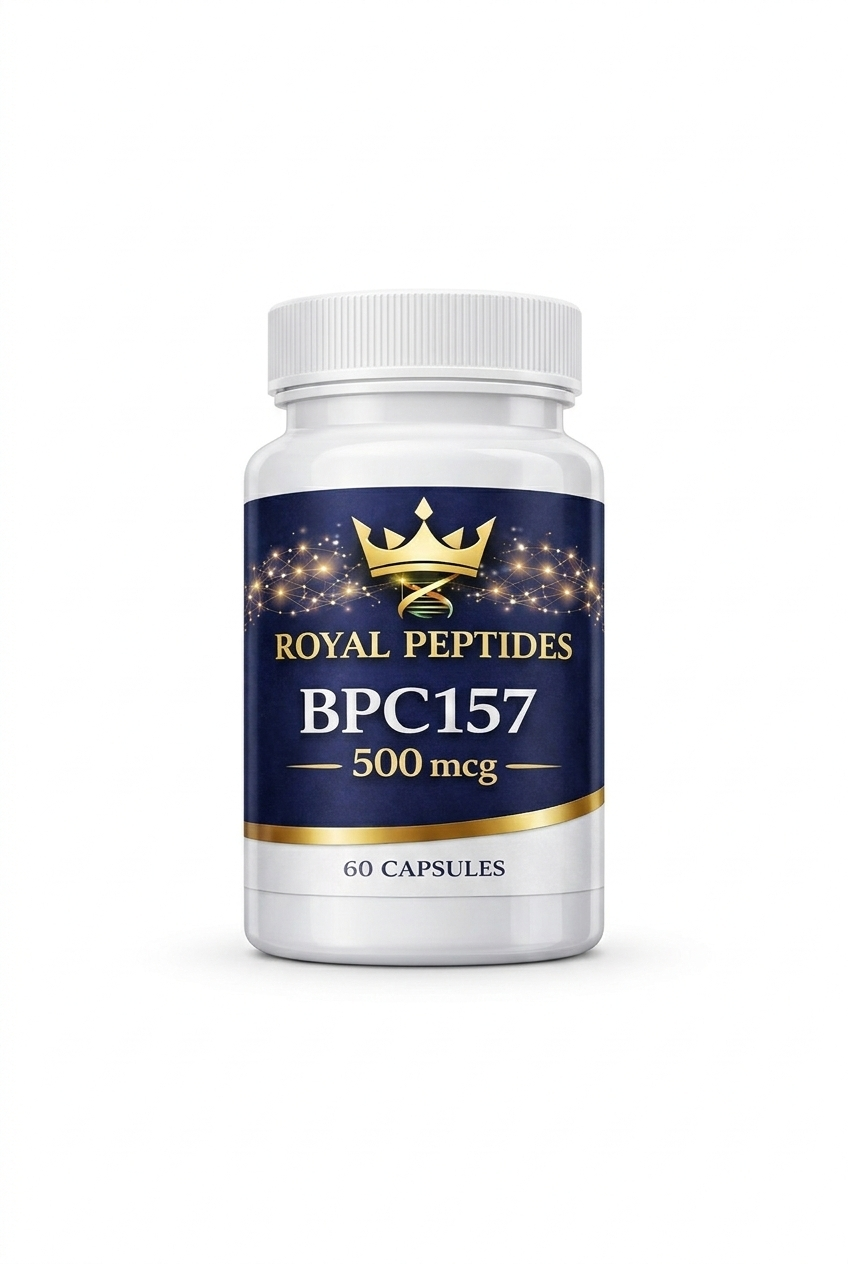
BPC-157
The research peptide BPC-157 represents a compound that has been extensively studied in experimental settings in relation to various types of tissue injuries, including lesions affecting organs, glands, and skin. This partial sequence is derived from the human gastric protective protein BPC, which naturally occurs in the digestive tract and was originally isolated from human gastric juice. It was identified in the 1990s by researchers investigating its influence on gastrointestinal function and tissue repair processes.
In numerous studies conducted on cell cultures and animal models, the pentadecapeptide demonstrated consistent biological activity in relation to regenerative processes associated with systemic or traumatic injuries. Experimental data suggest its involvement in mechanisms related to soft tissues, muscles, ligaments, internal organs, skin, the nervous system, and vascular structures. Research has also explored its relevance in gastrointestinal lesions, ulcers, and inflammatory bowel conditions.
Studies further describe its association with angiogenesis, reticulin and collagen production, macrophage and fibroblast infiltration, and modulation of local blood flow in areas of injury.
[1]
Research-Observed Effects
1. BPC-157 in Wound Healing Research
Several studies have aimed to clarify mechanisms related to wound healing processes involving BPC-157. Research in rat models examined the peptide’s effect on fibroblasts isolated from Achilles tendons. cDNA microarray analysis indicated increased expression of growth hormone receptors in tendon fibroblasts.
Fibroblasts are key cells involved in extracellular matrix deposition, including collagen, fibrin, and elastin. BPC-157 has been associated with modulation of fibroblast proliferation and migration in a dose- and time-dependent manner. By the third day of observation, up to a seventeen-fold increase in receptor expression was reported.
In models of alkali-induced skin burns in rats, the peptide was studied in relation to granulation tissue formation, re-epithelialization, and skin remodeling via the ERK1/2 signaling pathway.
[1], [2]
2. Influence on Vascular Growth and Collateral Circulation
Vascular growth plays a critical role in tissue regeneration. Studies suggest that BPC-157 exhibits angiogenic activity and may stimulate endothelial cell proliferation. Part of the proposed mechanism involves activation of the VEGFR2 receptor and nitric oxide (NO) signaling pathways.
In vitro studies using human vascular endothelial cells demonstrated increased VEGFR2 mRNA and protein expression.
Animal research has also examined the peptide’s effects on duodenal lesions induced by major venous occlusion. BPC-157 was associated with restoration of blood flow through collateral vessels and modulation of the NO system.
Additional experimental studies investigated its relevance in ischemia-reperfusion injury and colitis models.
[3]–[9]
3. BPC-157 as a Cytoprotective Mediator
BPC-157 has been studied as a gastroprotective peptide in relation to maintenance of mucosal barrier integrity within the gastrointestinal tract. Experimental findings suggest involvement in vascular function regulation under conditions of injury or vascular obstruction.
[9]
4. Tendon and Connective Tissue Research
Tendon injuries are common and often heal slowly. In vitro and in vivo studies in rat models have suggested that BPC-157 may support regenerative processes in tendons, ligaments, muscles, and bone.
Experimental findings indicate increased F-actin production in fibroblasts and activation of paxillin and FAK proteins, which are critical components of cell migration pathways. Activation of the FAK–paxillin signaling pathway has been described.
[10], [11], [12]
5. Potential Antioxidant Activity
BPC-157 has been studied in relation to oxidative stress markers, including nitric oxide (NO) and malondialdehyde (MDA). Animal studies suggest a potential reduction in reactive oxygen species production within the gastrointestinal tract.
In experimental models, Lactococcus lactis bacteria were used as a carrier system to deliver BPC-157 to mucosal surfaces.
[3], [13]
6. Interaction with Certain Drug-Related Effects
Animal research has examined potential interactions between BPC-157 and side effects associated with non-steroidal anti-inflammatory drugs (NSAIDs), neuroleptics, prokinetics, and other pharmacological agents.
Rat models have explored its influence on QTc interval prolongation and dopaminergic system modulation.
[14], [15]
7. Research in Honeybees
Experiments involving oral administration of sugar syrup containing BPC-157 to honeybees investigated its effects in models of Nosema ceranae infection and colony collapse disorder (CCD). Increased survival rates and reduced tissue damage were observed in experimental conditions.
[16]
8. Conclusion
BPC-157 is the subject of extensive research primarily in cell culture and animal models. It is studied in relation to regenerative processes, angiogenesis, and cellular signaling mechanisms. While experimental findings indicate a broad spectrum of biological activity, clinical studies in humans remain limited.
BPC-157 is intended strictly for scientific and laboratory research purposes.
All products available in our offer are intended strictly for research, laboratory, and development purposes only. They are not intended for use as a medicinal product, medical device, cosmetic product, food, dietary supplement, or as an active substance intended for consumption or application in humans or animals.
These products are not approved for clinical use and must not be used for the diagnosis, treatment, or prevention of any disease.
By purchasing the product, the customer acknowledges and confirms understanding of its research nature and agrees to use it exclusively in accordance with this intended purpose.
The purchase of our products is permitted only to individuals over 18 years of age.
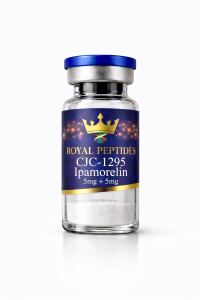
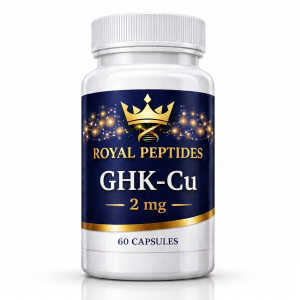
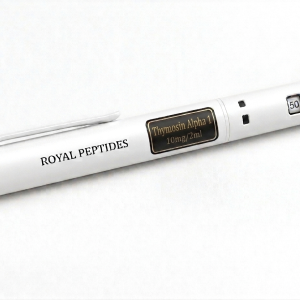
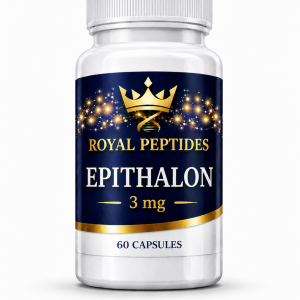
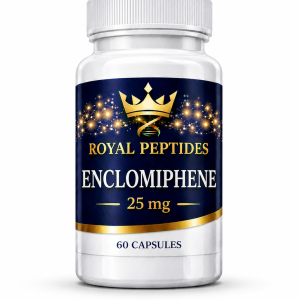
Product images are for illustrative purposes only. The actual appearance of the packaging may vary depending on the current batch.